
Why Do Peripheral Vascular Stents Become Blocked?
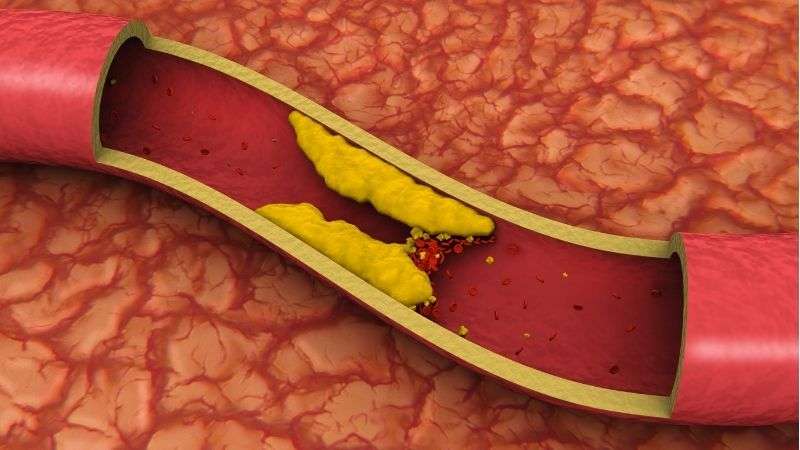
Peripheral vascular stents can become blocked because the inside of the stent narrows again or a blood clot forms. Both reduce blood flow through the stent. Symptoms and treatment options depend on whether the stent is in a leg artery or a vein.
On this page
How is a blocked leg stent reopened? Watch the video on Instagram ↗
Why do vascular stents narrow again or become blocked?
Renarrowing inside the stent (restenosis)
As the vessel heals, tissue can grow along the inside of the stent and narrow the opening through which blood flows. New plaque can also form over time. Blood flow may decrease if the stent has not expanded fully or the vessel’s anatomy restricts flow. The more severe the narrowing becomes, the more likely previous symptoms are to return.
Clot formation inside the stent (thrombosis)
A clot can quickly reduce or completely stop blood flow through a stent. Incomplete stent expansion, existing narrowing or poor blood flow into and out of the stent can contribute. Take the medicines prescribed to prevent clots as directed. If surgery, dental treatment or bleeding makes a change in your medicines necessary, discuss it with the team managing your treatment.
What symptoms can a blocked vascular stent cause?
- If a stent in a leg artery develops a problem, some people again notice leg pain when walking. Pain at rest or a foot wound that does not heal may also develop.
- If a stent in a vein develops a problem, some people again notice leg swelling, heaviness or pain.
Call emergency services immediately (112 in Türkiye) if you suddenly develop severe leg pain, coldness, paleness, numbness or weakness. New swelling and pain in one leg also need prompt medical assessment.
How are vascular stents checked?
The doctor first asks when symptoms began and checks which vessel contains the stent. Depending on its location, the doctor can use Doppler ultrasound to assess blood flow. More detailed imaging or an angiogram may be needed.
Can a blocked vascular stent be reopened?
For suitable patients, the aim is to restore blood flow. The doctor first checks for causes such as a clot, renarrowing or incomplete stent expansion. Depending on the findings, options may include widening the vessel with a balloon, removing the clot through a catheter or placing another stent. Surgery is another option for some patients.
A case involving a blocked leg stent
The video above shows a procedure to restore blood flow through a blocked stent in a leg vessel. For more on assessment and treatment options, see leg artery blockage (Turkish) and treatment for blocked blood vessels.
References
- Study on new plaque formation inside lower-extremity arterial stents
- ACC/AHA and partner organisations — guideline on lower-extremity peripheral artery disease (2024)
- Management of thrombosis in iliac and femoral vein stents (2024)
Assessment and contact
Treatment suitability is determined after reviewing your symptoms, examination and investigations.